The modular prefab home market is rapidly evolving, presenting a fascinating intersection of innovation and practicality. As consumer preferences shift towards sustainable and efficient living, this market is gaining traction, offering a fresh alternative to traditional housing solutions.
Current trends indicate a surge in interest, driven by technological advancements and a growing demand for customizable living spaces. With key players making significant strides, the future looks promising for modular prefab homes, promising both aesthetic appeal and functionality.
Modular Prefab Home Market Overview
The modular prefab home market has been gaining significant traction over recent years, driven by a combination of technological advancements, consumer preferences, and economic factors. This innovative approach to home construction offers numerous benefits, including speed, efficiency, and cost-effectiveness, making it an increasingly popular choice among homebuyers and investors alike. With growing environmental concerns and a demand for sustainable living solutions, the future of this market looks promising.Several key trends are shaping the modular prefab home market landscape.
The demand for affordable housing, particularly in urban areas, is pushing more builders and developers to consider modular construction methods. Additionally, the integration of smart technologies into prefab homes is enhancing their appeal. Major players in the industry, such as Modulus, Katerra, and Blu Homes, are capturing significant market shares by leading the charge in innovation and design.
Real Estate Investment Opportunities
Investors are increasingly recognizing the potential of the modular prefab home sector as a lucrative opportunity. The benefits of modular homes, including reduced construction time and lower labor costs, make them appealing to those looking to invest in real estate. Potential returns on investment are often more favorable compared to traditional housing markets, primarily due to the scalability and efficiency of modular construction.However, like any investment, there are risks and challenges associated with modular prefab homes.
Factors such as zoning laws, land availability, and market acceptance can impact the success of investment ventures in this sector. Investors must conduct thorough research and consider these variables before diving in.
Real Estate Market Trends
Modular prefab homes are influencing broader real estate market trends in multiple ways. They present a viable alternative to traditional housing, often at a lower cost and with faster completion times. As consumer preferences evolve, there’s a noticeable shift towards modular solutions, particularly among millennials and first-time homebuyers who are seeking affordability and modern amenities.Comparatively, while conventional real estate trends focus on location and traditional designs, the modular prefab market emphasizes efficiency, sustainability, and customization.
This shift is reshaping how the real estate landscape operates, as more buyers opt for smart, eco-friendly living options.
Integration of Smart Home Technology
The integration of smart home technology into modular prefab homes is revolutionizing the home-buying experience. Features such as smart thermostats, security systems, and energy-efficient appliances are becoming standard in many designs. These innovations not only enhance convenience for homeowners but also promote energy savings.For instance, many modular homes now come equipped with smart lighting systems that can be controlled remotely, adjusting according to the homeowner’s lifestyle.
This integration significantly boosts the appeal of modular homes among tech-savvy buyers who prioritize modern conveniences in their living spaces.
Commercial Real Estate Involvement
Commercial real estate entities are increasingly engaging with modular prefab homes, recognizing the efficiencies and benefits these structures can offer. Projects such as modular office buildings and temporary workforce housing demonstrate how commercial applications of modular construction are on the rise.For example, major firms are utilizing modular methods to develop affordable housing complexes quickly. The advantages for commercial real estate investments include shorter build times, reduced labor costs, and the ability to meet urgent housing needs in various communities.
Luxury Modular Homes
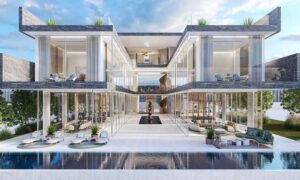
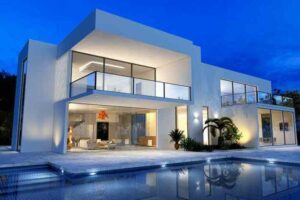
Luxury modular homes are carving out a niche in the high-end real estate market. These homes offer bespoke design and extensive customization options, allowing clients to create unique living spaces that reflect their tastes and preferences. Demand for luxury modular homes is rising, differentiated from traditional luxury real estate by their innovative construction methods and typically lower price points.Successful case studies, such as high-end modular developments in areas like California and New York, demonstrate impressive market performance and appeal.
Buyers are increasingly attracted to the combination of luxury, efficiency, and sustainability that these homes provide.
Future of Modular Prefab Homes
The future of the modular prefab home market is poised for exciting developments. Sustainability and innovation are at the forefront, driving manufacturers to adopt new technologies that enhance the building process and reduce environmental impact. As eco-consciousness continues to grow, modular homes are likely to incorporate even more green technologies.Anticipated technological advancements in modular home production may include improved materials that enhance durability, further automation in manufacturing processes, and enhanced energy efficiency features.
These innovations will not only appeal to environmentally conscious consumers but also position modular homes as a forward-thinking solution in the evolving housing market.
End of Discussion
In summary, the modular prefab home market stands out as a dynamic sector in real estate, influenced by changing consumer preferences and technological innovations. As the industry continues to grow, understanding the trends, opportunities, and challenges will be essential for investors and homeowners alike.
Q&A
What are the benefits of investing in modular prefab homes?
Investing in modular prefab homes can offer lower construction costs, faster build times, and flexibility in design, making them an attractive option for investors.
How do modular homes compare to traditional homes in terms of value?
Modular homes often retain their value well and may appreciate over time, particularly in areas with high demand for affordable housing.
Are modular homes customizable?
Yes, modular homes can be highly customizable, allowing homeowners to choose layouts, finishes, and features that suit their preferences.
What role does sustainability play in the modular prefab home market?
Sustainability is a significant factor, as many modular homes are designed to be energy-efficient, using eco-friendly materials and construction methods.
What smart home technologies are commonly integrated into modular homes?
Common smart home technologies in modular homes include automated lighting, security systems, smart thermostats, and home assistants, enhancing convenience and energy management.